Property rights are protected by law, and entering or remaining on someone else’s property without permission can lead to serious legal consequences. What Is Criminal Trespassing? Many people ask this question when they receive warnings, encounter restricted areas, or face legal disputes involving private property.
Understanding the meaning of criminal trespassing is important because even seemingly minor violations can result in fines, criminal charges, or other legal consequences. Criminal trespassing is a common offense that occurs when an individual knowingly enters or stays on property without authorization.
Although it may seem like a minor violation, penalties can range from fines to imprisonment depending on the circumstances and local laws. Understanding how trespassing laws work can help individuals avoid legal trouble and better understand their rights and responsibilities.
| Aspect | Explanation | Example/Consequence |
| Definition | Entering or remaining on property without permission | Unauthorized entry onto private land |
| Key Requirement | Property owner has not granted consent | Ignoring a “No Trespassing” sign |
| Common Examples | Entering restricted or private areas | Staying in a business after being asked to leave |
| Residential Trespassing | Unauthorized entry into a private residence | Entering a neighbor’s property without permission |
| Commercial Trespassing | Remaining on business property unlawfully | Refusing to leave a shopping center |
| Government Property Trespassing | Unauthorized access to restricted public areas | Entering a secured government facility |
| Penalties | Fines, probation, community service, or jail time | Criminal charges and court appearances |
| Aggravating Factors | Circumstances that increase penalties | Property damage or repeat offenses |
| Legal Defenses | Valid reasons that may challenge a charge | Lack of intent, permission, or emergency |
| Legal Consequences | Long-term effects of a conviction | Criminal record affecting employment opportunities |
What Is Criminal Trespassing?
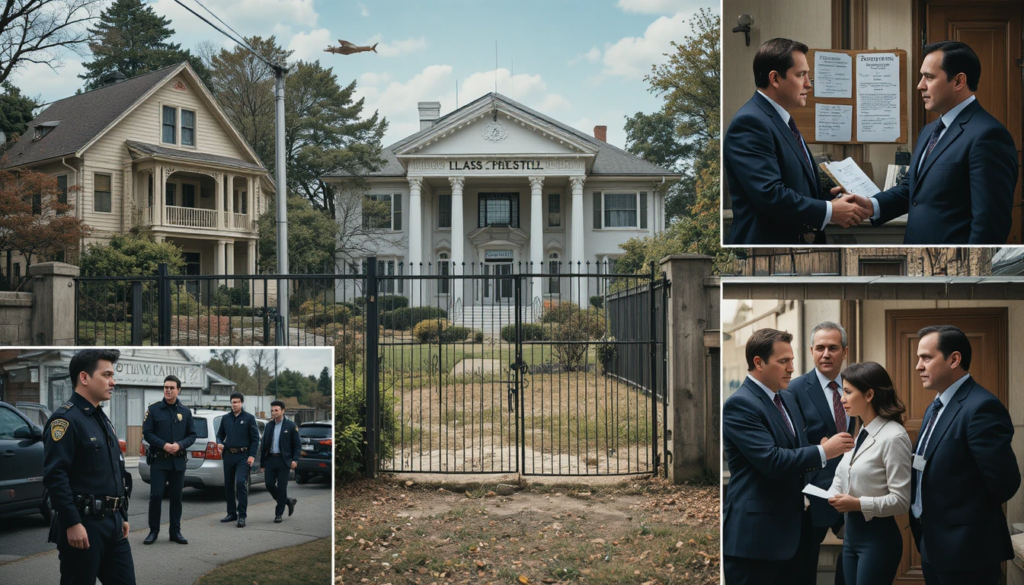
Criminal trespassing is a legal offense that involves entering, remaining on, or accessing property without the owner’s permission. The offense applies to private property, restricted government areas, commercial buildings, and certain protected locations.
In most jurisdictions, prosecutors must show that the individual knowingly entered or remained on the property without legal authorization.
Key Elements of the Offense
To establish a trespassing charge, authorities typically consider:
- Whether the property was private or restricted
- Whether permission was denied or revoked
- Whether warning signs were posted
- Whether the person knowingly remained on the property
- Whether the entry violated specific laws or regulations
The exact requirements vary depending on local laws.
Common Examples of Trespassing

Many situations can result in criminal charges if they involve unauthorized entry.
Examples include:
- Entering a fenced private property without permission
- Remaining in a business after being asked to leave
- Accessing a restricted construction site
- Entering abandoned buildings where access is prohibited
- Crossing into government-restricted areas
Some cases are accidental, while others involve intentional violations.
Criminal Trespassing vs Other Property Crimes
People often confuse trespassing with other property-related offenses. However, important legal distinctions exist.
| Offense | Description | Typical Intent |
| Criminal Trespassing | Unauthorized entry or remaining on property | Presence without permission |
| Burglary | Entering property to commit a crime | Criminal intent |
| Vandalism | Damaging another person’s property | Property destruction |
| Theft | Taking property without consent | Unlawful gain |
| Breaking | Forcible unauthorized entry | Varies by jurisdiction |
Understanding these differences is important because penalties can vary significantly.
Types of Criminal Trespassing

Trespassing offenses are often categorized based on severity and circumstances.
Residential Trespassing
This occurs when a person enters or remains in a private residence without authorization.
Commercial Trespassing
Businesses may pursue charges against individuals who refuse to leave after being instructed to do so.
Agricultural or Rural Trespassing
Many jurisdictions impose additional penalties for entering farms, ranches, or protected agricultural land.
Government Property Trespassing
Unauthorized access to military bases, government facilities, or restricted public areas can lead to enhanced penalties.
Penalties and Legal Consequences
The consequences depend on local laws, prior offenses, and the nature of the incident.
Potential penalties may include:
- Monetary fines
- Community service
- Probation
- Criminal record
- Short-term jail sentences
- Enhanced penalties for repeat offenders
More serious penalties often apply when trespassing occurs in sensitive locations or involves other criminal conduct.
Factors That Can Increase Penalties
Certain circumstances may lead courts to impose harsher punishments.
Common aggravating factors include:
- Prior criminal history
- Damage to property
- Possession of weapons
- Refusal to leave after warnings
- Trespassing in secure government areas
Courts evaluate each case individually before determining penalties.
Possible Legal Defenses
Not every accusation leads to a conviction. Several defenses may be available depending on the facts of the case.
Lack of Intent
A person may not realize they entered private property, particularly if the boundaries are unclear.
Consent or Permission
If permission was granted by the owner or authorized individual, the charge may not be valid.
Insufficient Notice
In some cases, a lack of warning signs or unclear property markings may become relevant.
Emergency Situations
Entering property to prevent harm or respond to an emergency may provide a legal defense under certain circumstances.
How Property Owners Protect Their Rights

Property owners often take measures to reduce unauthorized access.
Common methods include:
- Installing fences and gates
- Posting warning signs
- Using security cameras
- Employing security personnel
- Reporting violations promptly
These measures help establish ownership rights and discourage unlawful entry.
How to Avoid Trespassing Violations
Avoiding legal issues is often straightforward when individuals respect property boundaries.
Helpful precautions include:
- Observe posted signs carefully
- Obtain permission before entering private land
- Leave immediately if requested
- Verify access rights before entering unfamiliar areas
- Respect restricted and secured locations
These simple steps can prevent unnecessary legal complications.
Real-World Relevance
Consider a situation where an individual enters a closed construction site after hours to take photographs. Even if no damage occurs and no criminal activity is intended, the unauthorized entry may still result in trespassing charges because access was restricted.
This example highlights why understanding property laws is important for both individuals and businesses. Even without the intention to commit a crime, unauthorized entry can still lead to legal consequences.
Conclusion
Understanding what criminal trespassing is essential for anyone who interacts with private, commercial, or restricted property. While the offense may appear straightforward, it can carry significant legal consequences, including fines, probation, and even jail time in certain cases.
By respecting property boundaries, following posted notices, and obtaining proper authorization before entering restricted areas, individuals can avoid legal disputes and protect themselves from criminal liability. Knowledge of trespassing laws helps promote responsible behavior and respect for property rights.
Want to know about Private Prosecution: All You Need To Know About the Legal Basis, Advantages, Role of the Crown Prosecution Service (CPS), And Much More Check out our Criminal Law category.
FAQs
Criminal trespassing is the act of knowingly entering or remaining on property without the owner’s permission or legal authority.
It depends on the circumstances. Courts often consider intent, warning signs, and whether the individual left when notified.
In many jurisdictions, it is commonly classified as a misdemeanor, although penalties vary by location and circumstances.
Trespassing involves unauthorized entry, while burglary generally requires intent to commit an additional crime inside the property.